
Your Home Shouldn’t Be a Health Risk
Identify and eliminate the environmental contributors to your toxic load
Your Home Shouldn’t Be a Health Risk
Identify and eliminate the environmental contributors to your toxic load
Turn Your Hidden Exposure Into a Clear Plan of Action
Even “clean” homes can carry environmental contributors that add to your body’s toxic load. I work with clients to identify the primary environmental contributors to their toxic load, design a plan to address them, and guide them through implementation and validation. Once our work is complete, their home is corrected, and they are self-sufficient and confident with the knowledge to adapt to changing circumstances.
If I Feel Fine, Am I Off the Hook?
Feeling fine does not automatically mean your environment is not contributing to your toxic load. Some exposures are cumulative and not immediately noticeable. The right approach is to identify what is contributing, address it properly, and confirm the results.
Will making changes actually make a difference?
Yes. When the primary environmental contributors to your toxic load are correctly identified and addressed, the change is often significant. Most homes are influenced by a small number of conditions that have a real impact. Identifying those conditions, prioritizing them in the right order, and validating the changes with data lead to the best outcomes.
I'm the only one in my circle who cares about this. Am I overreacting?
You’re not alone in feeling this way. Many of my clients are the only ones in their circles questioning what their home environment may be contributing to, and want to reduce their toxic load. It’s common to wonder whether you’re overreacting when others don’t share the same concern. Manmade chemicals are linked to many chronic conditions, and symptoms are often subtle or slow to develop. It can take years to receive a clear diagnosis, especially when early, subtle signs are overlooked or dismissed while you absorb toxins from your home. That delay is one reason environmental contributors should be addressed rather than postponed.
How do I explain this concept to my spouse?
If you ever feel unsure what to say, know that nearly all of my clients go through this at some point. Whether your spouse is supportive but doesn’t fully understand, or skeptical and needs more clarity, the underlying challenge is usually the same. It can be difficult to explain why addressing your home’s toxic load matters without sounding dramatic or overly cautious.
Shifting the conversation away from fear and “what ifs” toward structure helps. Environmental contributors are measurable. The goal is not to fix everything but to identify the primary contributors, prioritize them, and address them in the right order. That shifts the discussion from emotion to logic.
One way to explain it is this. Think of pouring water into a glass. At first, nothing happens. As the glass fills, it eventually overflows. Toxic load functions the same way. Your body can tolerate a certain amount, but once that threshold is exceeded, symptoms appear.
I love my home the way it is! Am I going to have to give everything up?
No. This is not about living in a stripped-down version of your home, giving up your technology, or turning your house into an ongoing project. It is about making strategic, well-prioritized changes that reduce your toxic load while preserving your lifestyle, comfort, and aesthetic.
Breathe Easy.
This Is What I Do.
For over a decade, I have worked at the intersection of home and health, helping clients identify their environmental toxic load and guiding them through resolving it.
My certification in Building Biology came from the need to address my own sensitivities and my home. That firsthand experience, combined with formal training, shapes how I assess, prioritize, and guide this work, with the benefit of having already navigated the complexity myself. You are working with someone who understands both the technical aspects and the lived realities of making changes while your home still feels like home.
This work is structured and data-driven. You are not guessing or making unnecessary changes. You are identifying what matters, addressing it in the right order, and moving forward with clarity.
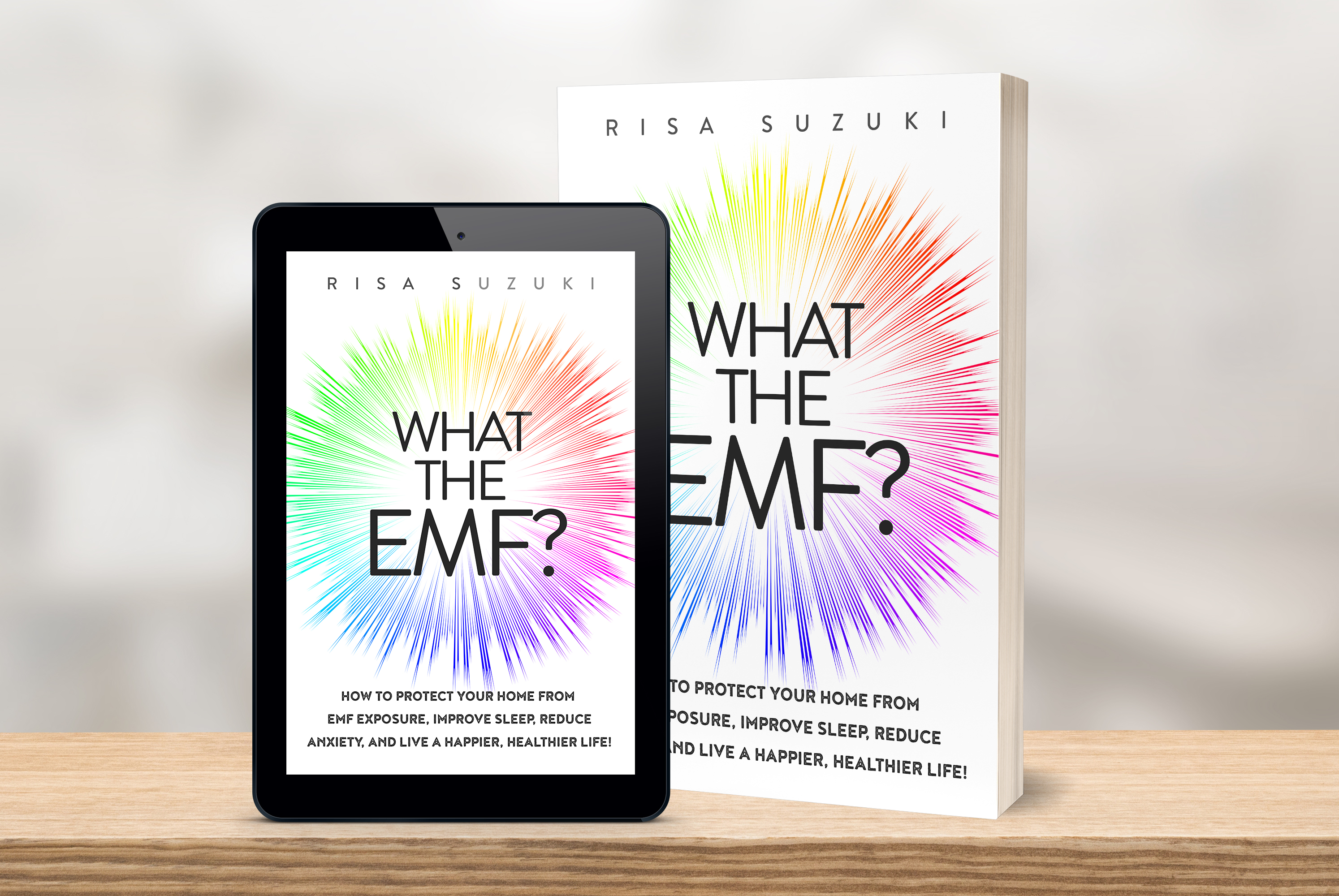
Author of "What the EMF?"
Client Testimonials
As Seen On







Start Today
Start clearing toxins and creating a healthier environment today

Toxins in Your Home
Discover where toxins hide in most homes and how they affect you and your family.

Common Symptoms
Explore whether your symptoms are linked to unaddressed toxins at home.